Fresh settings for familiar effort
Outdoor exercise changes the surroundings before it changes the movement. A park path, a public fitness station or an open lawn can make familiar activity feel less enclosed. The trade-off is a setting you do not control: weather, surfaces, other users and equipment condition become part of the preparation.
Public equipment has a specific purpose
Outdoor gyms may contain fixed resistance machines, moving stations or simple bars for bodyweight exercise. The term covers different designs, so equipment in one park should not be assumed to work like equipment elsewhere. Read the instructions on the station and check the surrounding space before using it.
Public access does not mean every apparatus is suitable for every person. Grip height, step-up access and moving parts all affect the task. Wet handles, damaged fittings or an unclear movement path are reasons to choose another activity and report the issue to the relevant park authority.
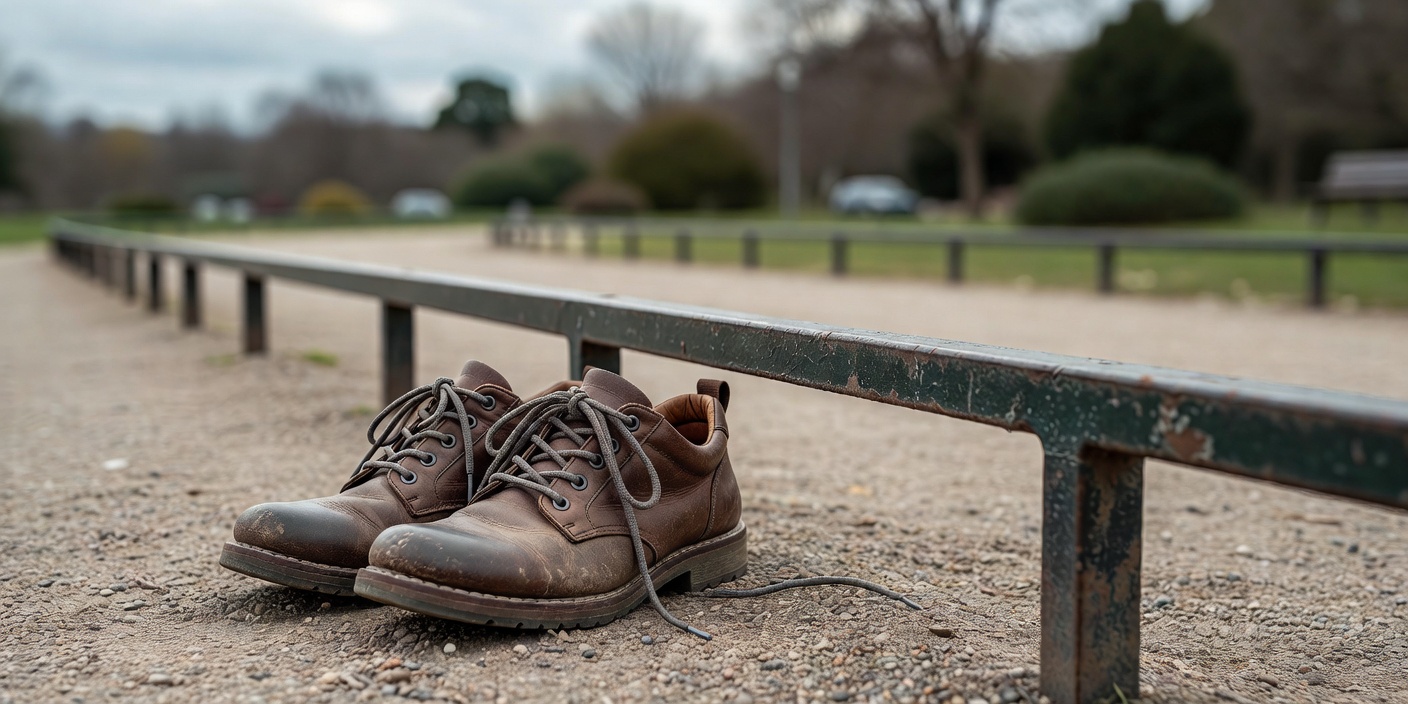
Calisthenics parks are often associated with bars for hanging, pulling and support movements. They can accommodate demanding skills, but a public bar is not an invitation to improvise an unfamiliar routine. Avoid using ordinary railings, signs or benches as exercise apparatus unless that use is clearly intended and permitted.
Open space is not one kind of terrain
The Royal Parks manages a group of well-known London parks, including Hyde Park and Regent’s Park. These illustrate urban green spaces where paths, planted areas and shared public use sit close together. Their names describe established places, not a promise about the suitability of any particular exercise location.
Hampstead Heath, managed by the City of London Corporation, offers a different example: a large landscape with varied ground and slopes. A route through uneven terrain asks different questions from a level paved circuit. Choose based on the actual surface and return route rather than the broad category “park”.
The National Trust’s countryside places and the paths associated with Britain’s National Trails show how outdoor movement can extend beyond an urban park. They also underline the need to distinguish a short accessible outing from a route that involves exposure, navigation or sustained terrain changes. Check the responsible authority’s current route and access information before travelling.
A shared setting changes the plan
Paths belong to more than one activity. Walkers, runners, cyclists where permitted, people using mobility aids and families may all need the same space. An exercise circuit should not block a gate, crossing or narrow section of path. Move to a suitable open area rather than expecting others to navigate around a session.
GoodGym is a named example of combining physical activity with community tasks. Its format illustrates how an outdoor session can have a practical social purpose beyond exercise itself. Participation arrangements and task demands vary, so consult the organiser’s own information rather than assuming all activities have the same requirements.
Social structure can make an outing easier to arrange, but it also fixes a place and occasion. An informal solo circuit allows more flexibility. Decide whether the useful part is company, a clear route or simply leaving an indoor setting.
Choose a setting with fewer unknowns
| Setting | Useful feature | Check first |
|---|---|---|
| Paved park loop | A recognisable return route | Crossings, shared traffic and surface condition |
| Outdoor gym | Purpose-built stations | Instructions, moving parts and equipment condition |
| Open lawn | Room for a simple standing practice | Uneven ground, dampness and permitted use |
| Countryside path | A changing landscape | Navigation, weather exposure and route access |
Outdoor settings can reduce the need for indoor space, but they add travel and weather decisions. Those are not minor details when the aim is a low-friction routine.
Keep a simple alternative available
- Check weather and daylight before setting off.
- Choose a route with a clear way back.
- Read local signs and respect access restrictions.
- Have a simpler option if equipment or ground conditions are unsuitable.
A park visit does not have to include a circuit. Walking the intended route, observing the surfaces and returning comfortably can be a useful first outing. Save new technique for conditions where there is enough attention and space to learn it.
Fresh air changes the experience, not the basic need for suitable movement. A familiar action in a well-understood setting is often more manageable than an ambitious routine assembled around whatever equipment happens to be free.