Walking takes on new forms
A familiar walking route can become a technique session, a loaded walk or a community outing. Nordic walking, rucking and parkrun make different demands on the same basic activity. Begin with the route and the time available, then decide whether poles, a pack or a scheduled gathering make that walk more workable.
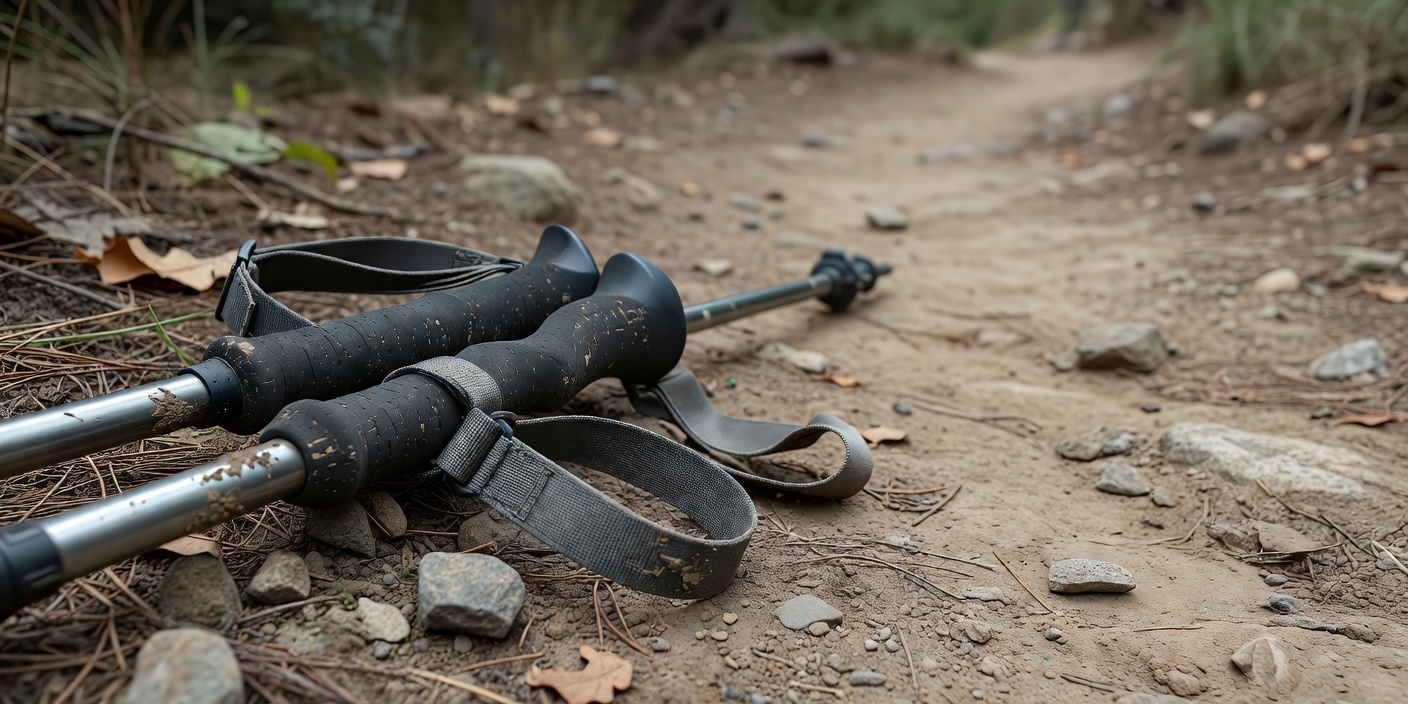
Poles change the technique
Nordic walking developed from dry-land training associated with cross-country skiing. It uses a coordinated arm swing and a backward push through purpose-designed poles, rather than simply planting a stick for occasional support. The International Nordic Walking Federation, known as INWA, is a named reference for this teaching tradition and its technique-focused approach.
The distinction matters when choosing instruction. Trekking poles used on uneven ground and Nordic walking poles used for propulsion serve related but different purposes. Grips, straps and pole tips affect handling; a photograph of someone carrying poles does not establish which technique they are using. A suitable introductory lesson can clarify the movement without requiring a faster pace.
Choose a route with room for the arm action and a predictable surface. Close pedestrian traffic, awkward crossings and narrow paths can interrupt the rhythm. Check current teaching arrangements with a qualified instructor rather than assuming any pole-based class follows the same method.
A pack changes the load
Rucking means walking while carrying a loaded pack. Its name comes from rucksack, and its roots include military load carriage, although civilian exercise need not imitate military demands. The change is straightforward in principle: the route remains a walk, but the carried mass makes that walk a different physical task.
That simplicity can conceal practical issues. A pack that moves around, a load concentrated against one part of the back or straps that press uncomfortably may spoil an otherwise easy route. A routine commute with a laptop bag is not automatically a well-planned loaded exercise session. Load placement, fit and the ability to remove the pack matter.
There is no universal starting weight suitable for every reader. Get comfortable with ordinary walking first, and seek qualified advice when load carriage raises questions about pain, previous injury or health conditions. Avoid copying an online challenge whose demands were chosen for someone else.
A gathering changes the occasion
parkrun is known for recurring community events built around a timed 5 km course, with walking, jogging, running and volunteering all part of its adult format. Its origins are associated with Bushy Park in London. The useful distinction is social organisation: a known meeting point and shared route can give a walk a place in the week.
Timing does not require a competitive approach. A person can value the company or the routine without treating the finish result as a target. However, a group event brings practical questions that a private walk does not: how to reach the start, where the route goes and how participants return afterwards.
Ramblers offers another long-established example of organised walking in Britain, centred on group walks and access to paths. It illustrates a different structure from a repeated timed course. Check individual event information for route character, access and participation details; organisation names do not guarantee that every outing suits the same needs.
Match the format to the route
| Format | Main addition | Preparation question |
|---|---|---|
| Nordic walking | Pole technique and arm action | Is there room to practise without obstructing others? |
| Rucking | A carried load | Does the pack fit, and can the load be removed easily? |
| parkrun | A shared route and scheduled event | What are the course surface and access arrangements? |
| Group walking | Companionship and route leadership | Are the terrain and expected pace clearly described? |
Keep the first outing uncomplicated
Walk an unfamiliar route without added load or new technique first. Notice crossings, resting places, surface changes and the return journey. This creates a useful baseline and prevents equipment from becoming the only thing you pay attention to.
- Choose footwear already comfortable for the route.
- Check weather, daylight and path access before leaving.
- Introduce one change: poles, a pack or a group setting.
- Allow a straightforward way to shorten the outing.
Walking trends are most useful when they improve the arrangement of an ordinary walk. More equipment is not itself progress; a simpler route or a clearer plan may matter more.